
.svg)
Spring on the Mount Washington Cog Railway
FEATURED:Spring Might Be the Best Time to Ride
Discover

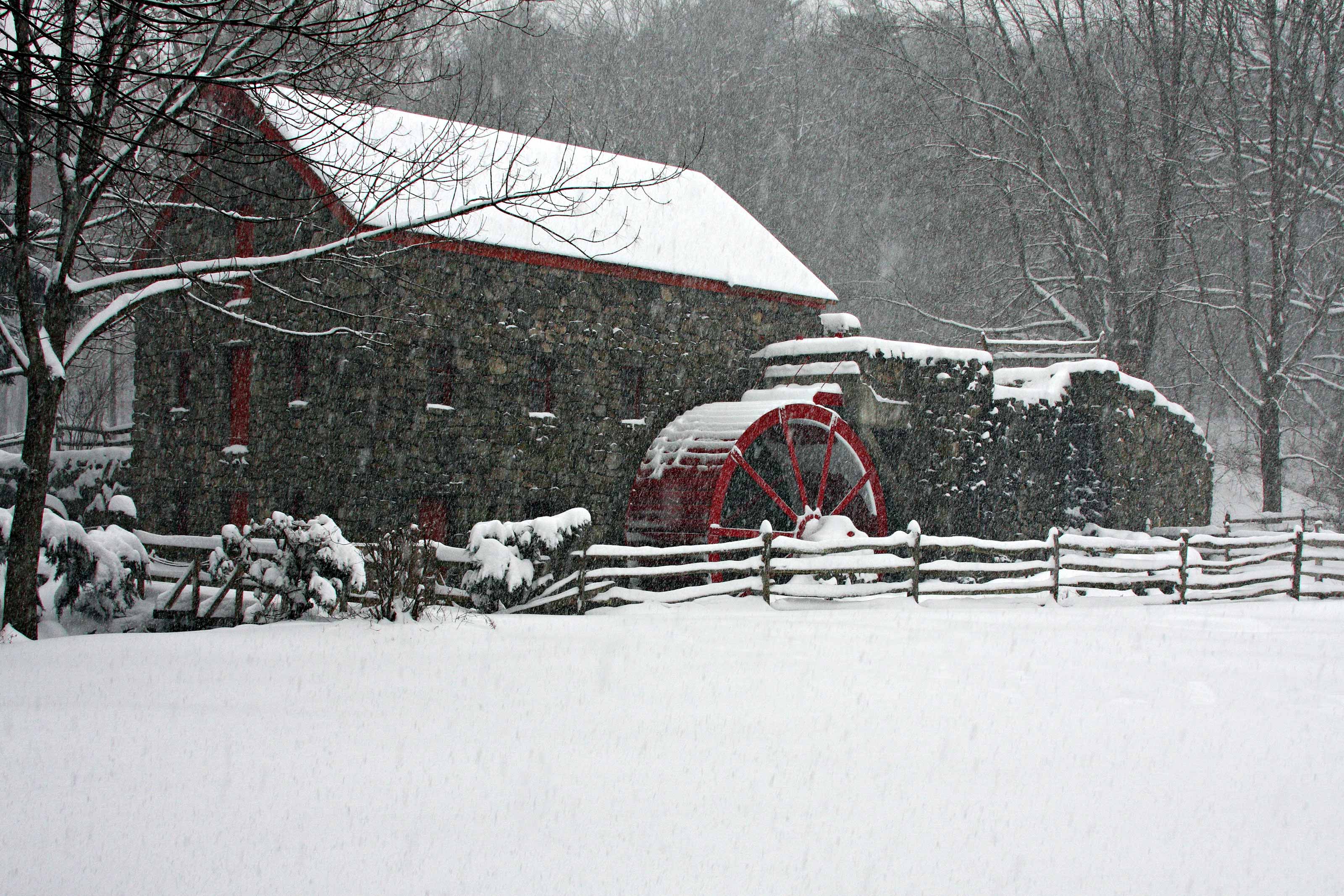
When November settles over Massachusetts, the air changes.
The leaves are gone, the fields are bare, and the first woodsmoke of winter drifts down Main Street. This is the season when the state’s oldest inns and taverns come alive again, not with tourists or festivals, but with the quiet crackle of hearth fires and the hum of stories that have survived centuries.
Long before boutique hotels and farm-to-table restaurants, there were stagecoach inns and public houses, places that offered a warm fire, a sturdy drink, and a seat among strangers. They were the lifeblood of early America, where news was traded, revolutions whispered, and a new country thawed out one night at a time.
Today, those same taverns still stand, still pour, still welcome, and still remind us that warmth isn’t a modern invention. It’s been here since the first colonist struck flint on a cold Massachusetts night.
If you’ve ever driven the old Boston Post Road, you’ve passed the Wayside Inn, a place that feels more like a living memory than a business.
Established around 1716, it’s the oldest operating inn in America, and it shows its age in all the best ways: low-beamed ceilings, uneven floors, and fireplaces that have burned for three hundred winters.
Henry Wadsworth Longfellow immortalized it in Tales of a Wayside Inn (1863), turning its taproom into literary legend. George Washington stopped here. So did Lafayette. Later, in the 1920s, Henry Ford bought the entire property, restored it, and created a historic village around it.
In November, the inn takes on its truest form, quiet, candlelit, and smelling of wood smoke and roast beef. Locals gather for Sunday suppers, travelers linger for one more drink, and the past feels comfortably close.
If you listen carefully, you can almost hear the echo of coach wheels in the gravel drive.
Few inns can claim to sit directly on the site of the American Revolution. Concord’s Colonial Inn, built in 1716, does exactly that. The building once housed a storehouse for arms and supplies used by colonial militia on April 19, 1775, the day “the shot heard ’round the world” was fired.
Today, it’s one of the most photographed buildings in Concord, its wide front porch wrapped in bunting every Memorial Day and its dining rooms glowing amber through the dark months.
Guests stay in the historic wing, where creaky floors and antique furniture are matched by stories of spectral soldiers and late-night footsteps. The “haunted” reputation is part of the fun, especially in November, when fog lingers over the town green and the fireplaces burn steadily.
From your desk, you can find press photos, 360° room tours, and endless guest reviews that describe the same feeling: comfort wrapped in history. That’s Concord’s gift, it makes the nation’s past feel like your own family story.
Few places embody November quite like the Publick House Historic Inn in Sturbridge.
Built in 1771, it’s been hosting travelers, townsfolk, and Thanksgiving dinners ever since. The inn sits across from the entrance to Old Sturbridge Village, but it predates the museum by nearly two centuries.
Step inside (or browse their photo gallery) and you’ll see everything you imagine a colonial tavern should have, big hearths, low ceilings, iron chandeliers, and dining rooms that smell of cider and roasted turkey.
During the off-season, the Publick House decorates with simple New England restraint: pine garlands, brass candlesticks, and that faint clatter of mugs in the tavern. Locals say the gingerbread still follows the original 18th-century recipe.
It’s a place that doesn’t reinvent itself because it doesn’t need to. The formula works, hospitality, history, and a hot meal served with quiet pride.
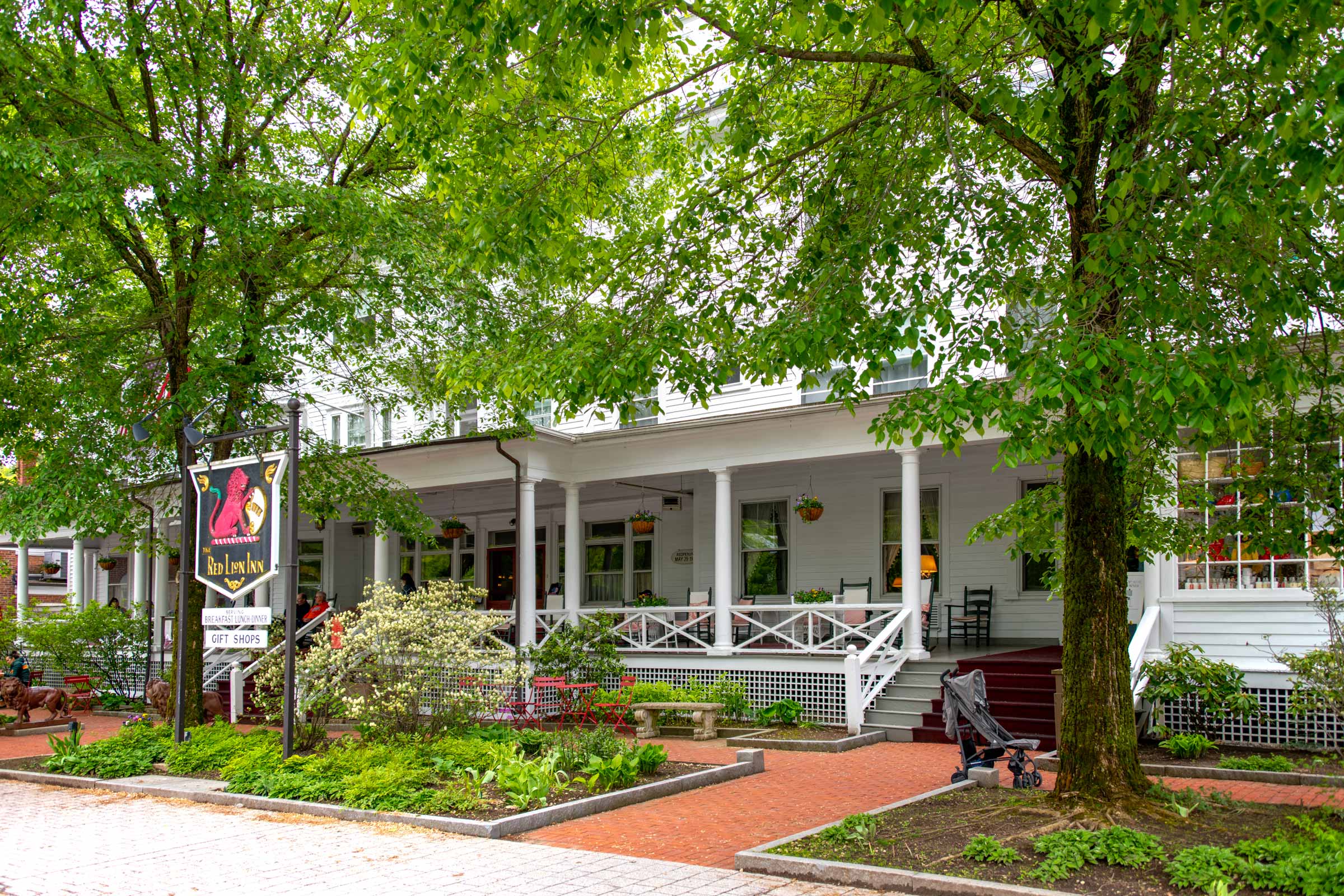
In the postcard-perfect village of Stockbridge, the Red Lion Inn has burned its lamps through wars, depressions, and blizzards. First opened in 1773 as a tavern for stagecoach travelers, it closed briefly after a fire in 1896, then was lovingly revived, and has been open ever since.
If the name sounds familiar, it’s because Norman Rockwell painted its Main Street view in his famous “Stockbridge at Christmas.” In November, before the holidays fully arrive, the inn glows with that same anticipation, rocking chairs on the porch, fires in every hearth, and the faint sound of a piano drifting from the lobby.
What makes the Red Lion special isn’t just its longevity; it’s its authenticity. The rooms creak, the bar smells faintly of oak and brandy, and the staff speak of the building as if it were an old friend.
For readers, the inn’s own website and Berkshire tourism archives offer all the images and lore you need. You can almost feel the warmth radiating off the screen.
Not every tavern that shaped the Commonwealth still serves guests, some live on in story.
In Salem, the Old Tavern at Derby Square (built mid-1700s) was once a hub for sea captains, merchants, and revolutionaries. Men plotted, traded, and toasted there as privateers slipped out of the harbor under British noses.
Today, the original tavern is gone, but its spirit lives in the nearby Salem Maritime Historic Site and reconstructed Derby Wharf. Photos and historic maps online reveal what the bustling port once looked like, barrels stacked by candlelight, rum ships waiting in the frost.
Writing about it from home is easy: the National Park Service maintains rich archives, and Salem’s tourism bureau provides winter imagery of the waterfront. All you need is a paragraph and a photo of the harbor mist, and readers will feel like they’re standing there with a mug in hand.
Massachusetts doesn’t cling to its past, it preserves it. These taverns and inns aren’t museums; they’re living organisms that still breathe the same smoky air and tell the same stories.
In the modern world of minimalist hotels and digital check-ins, they remind us that comfort once meant community, a shared meal, a warm room, and conversation by firelight.
They also speak to the state’s defining character: endurance. Every one of these places has survived revolution, economic turmoil, and shifting tastes, yet each November, the lights come on, the wood crackles, and someone hangs a wreath on the door.
Because in New England, warmth isn’t seasonal. It’s a tradition.
You can take a virtual tour of every location mentioned - no suitcase required:
Wayside Inn (Sudbury): wayside.org - online gallery, historic map, and live event schedule.
Concord’s Colonial Inn: concordscolonialinn.com - 3D room tour, ghost stories, holiday menu.
Publick House (Sturbridge): publickhouse.com - Thanksgiving menus, inn history, photo archive.
Red Lion Inn (Stockbridge): redlioninn.com - lobby webcam, photo galleries, and history timeline.
Salem Maritime Site: nps.gov/sama - free digital archives and illustrated maps of the old tavern district.
All five make ideal visual anchors for your newsletter - rich colors, candlelight, snow-dusted rooftops.
Before the carols start and the wreaths go up, there’s a quieter kind of celebration across Massachusetts - the lighting of the first fires in these old inns.
You can almost picture it: the smell of pine smoke, the low murmur of voices, the creak of an old chair near the hearth. Outside, frost gathers on the windows; inside, time holds still.
That’s what these places give us, not just nostalgia, but perspective. A reminder that before the nation became an idea, it was a community gathered around a tavern fire, grateful simply to be warm.
So, here’s to them, the keepers of comfort, the guardians of good cheer, the inns that warmed a nation.