
.svg)
Spring on the Mount Washington Cog Railway
FEATURED:Spring Might Be the Best Time to Ride
Discover

Rhode Island in February is not about spectacle. It’s about mood. The crowds are gone. The shoreline is hushed. The towns move at a slower, more thoughtful pace. Winter reveals a side of the Ocean State that summer visitors never see, one shaped by history, salt air, old streets, and the simple beauty of standing near the water when there’s no one else around. This is the month when Rhode Island feels most authentic. Not dressed up. Not performing. Just quietly being itself.
In February, some of the most rewarding places in the state aren’t the headline attractions, they’re the villages, historic sites, and coastal corners that reward travelers willing to embrace the off-season. These are places where you can walk without rushing, linger without lines, and experience Rhode Island the way locals do when winter settles in.
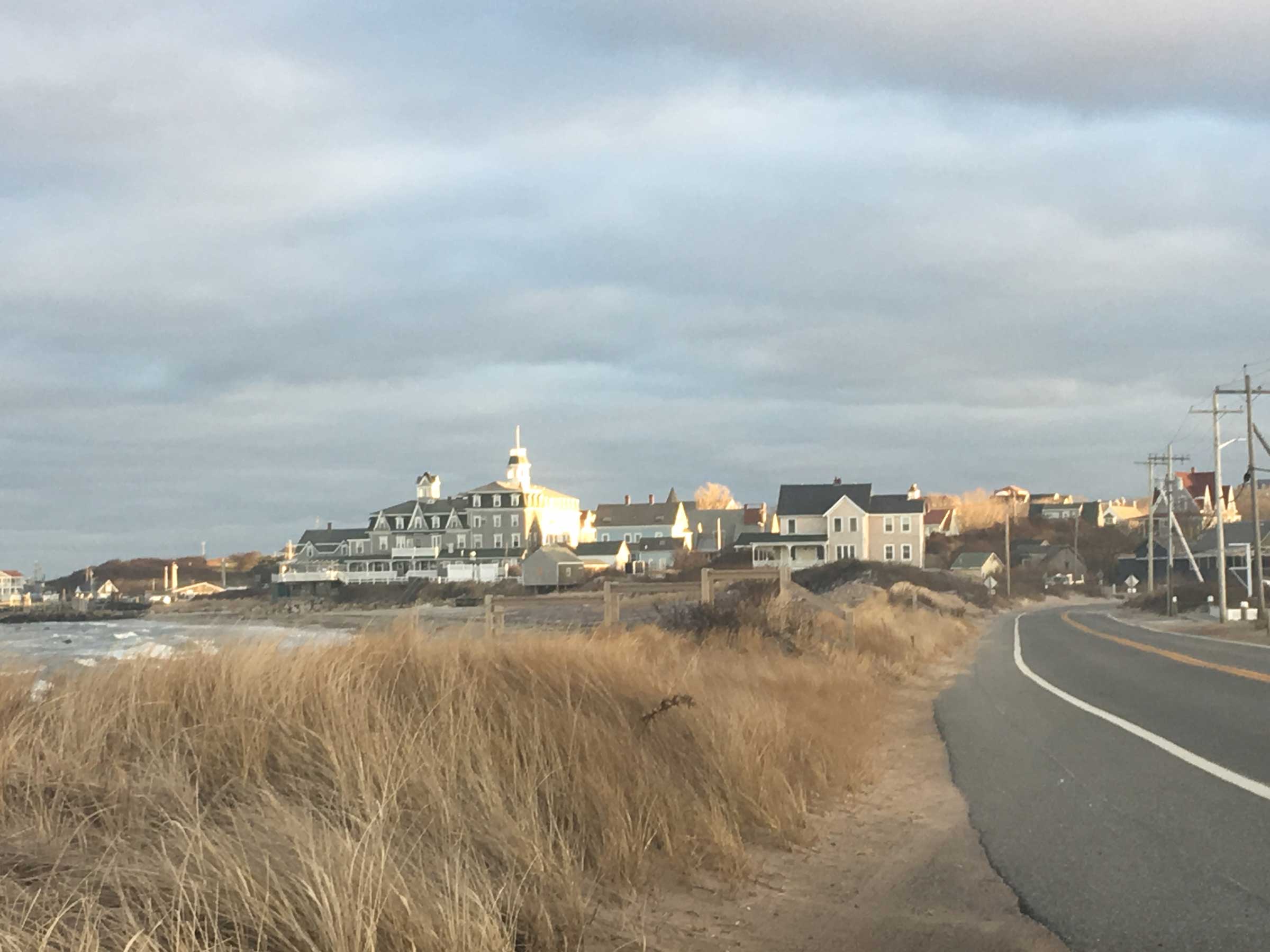
Most people think of Block Island as a summer destination - beaches, bikes, ferries packed with day-trippers. But February tells a completely different story. When the island quiets down, it becomes one of the most peaceful and reflective places in all of New England. The ferry ride alone sets the tone. Fewer passengers. A calmer rhythm. The Atlantic stretching out in winter shades of gray and blue. When you arrive, the island feels almost suspended in time.
Walking through Old Harbor in February is an exercise in stillness. Shops are closed or operating quietly. Boats rock gently at the docks. The wind carries the sound of waves rather than conversation. And suddenly, you understand why so many artists, writers, and year-round residents treasure this season most of all.
Mohegan Bluffs, dramatic in any month, feel even more powerful in winter. The cliffs rise stark and uncompromising above the sea, and the absence of crowds makes the view feel personal. It’s not a photo op, it’s a moment. Block Island in February isn’t about doing. It’s about being.
February is the perfect time to lean into history, and no place in Rhode Island tells a deeper story than Slater Mill in Pawtucket. This is where the American Industrial Revolution began, a fact that carries even more weight when winter strips away distractions and leaves only brick, water, and time.
Walking the grounds along the Blackstone River in February feels appropriately contemplative. The mill buildings stand firm against the cold, reminders of innovation, labor, and transformation. Inside, exhibits bring to life the story of how a single site helped reshape an entire nation’s economy. Winter enhances the experience here. The quiet allows you to absorb the significance without interruption. The river moves steadily past the mill, just as it did centuries ago, and the starkness of the season highlights the raw reality of early industrial life.
Pawtucket itself often gets overlooked, but February is when its historic core shines. Old neighborhoods, mill architecture, and riverwalks reveal a Rhode Island that is grounded, hardworking, and proud of its place in American history.
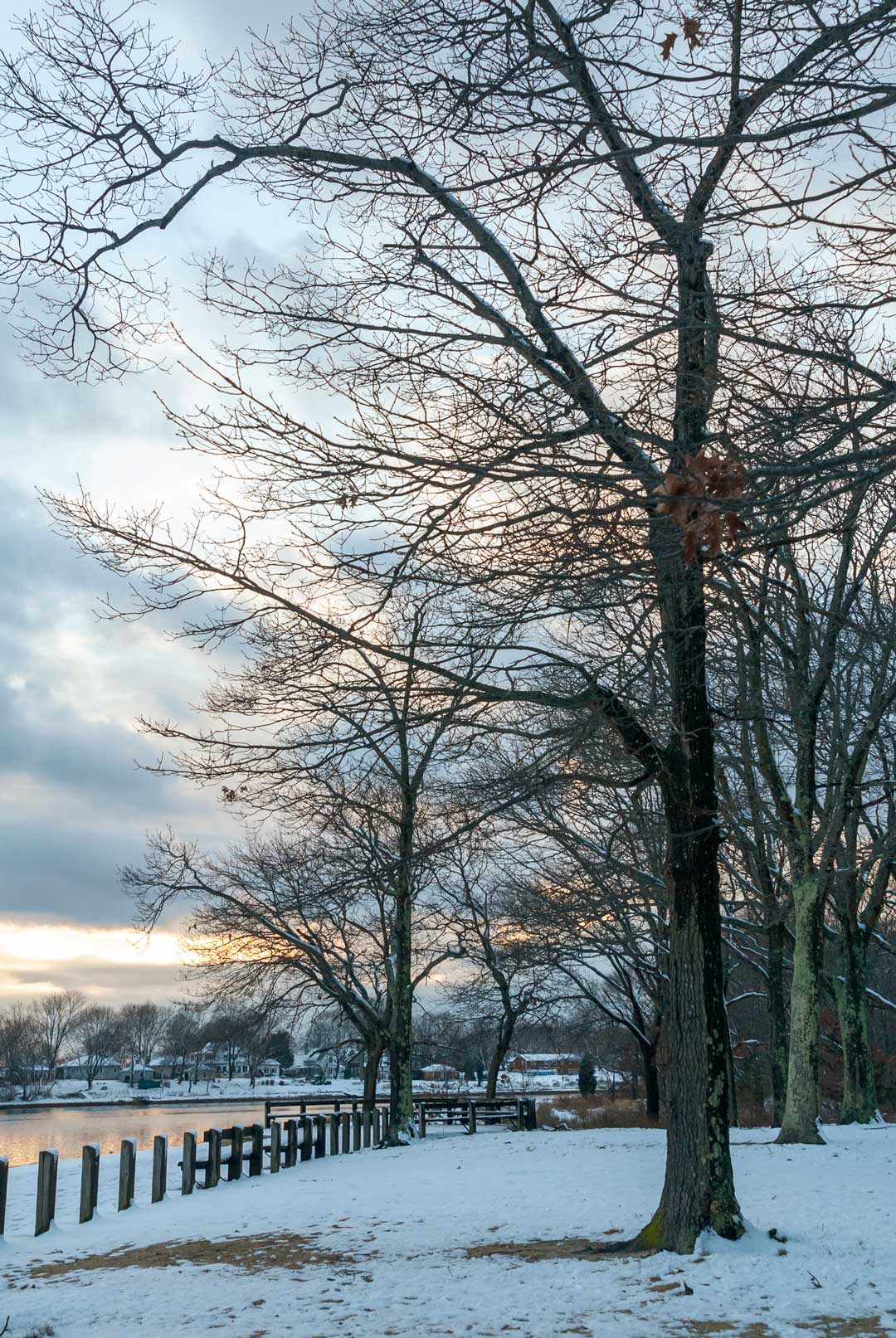
Straddling Cranston and Warwick, Pawtuxet Village is one of the most charming historic districts in Rhode Island, and February may be its finest month. This small waterfront village dates back to the 1600s, and winter brings out its colonial bones. Narrow streets. Historic homes. A quiet harbor dotted with still boats. Church steeples rising into pale winter skies. Walking through Pawtuxet Village in February feels intimate. Without foliage or crowds, architectural details stand out. The curves of old roofs, the symmetry of windows, the way houses sit close to the water as if leaning in to listen.
The harbor itself is a highlight. In winter, the water reflects soft gray skies and muted sunlight, creating a calm, almost meditative atmosphere. It’s the kind of place where a simple walk can reset your entire mood. Stop into a café, warm your hands around a mug, then head back out to wander again. Pawtuxet Village doesn’t demand attention, it rewards patience.
February transforms South County into something quietly extraordinary. Places like Narragansett and Matunuck, known for summer energy, reveal a different personality when winter takes hold.
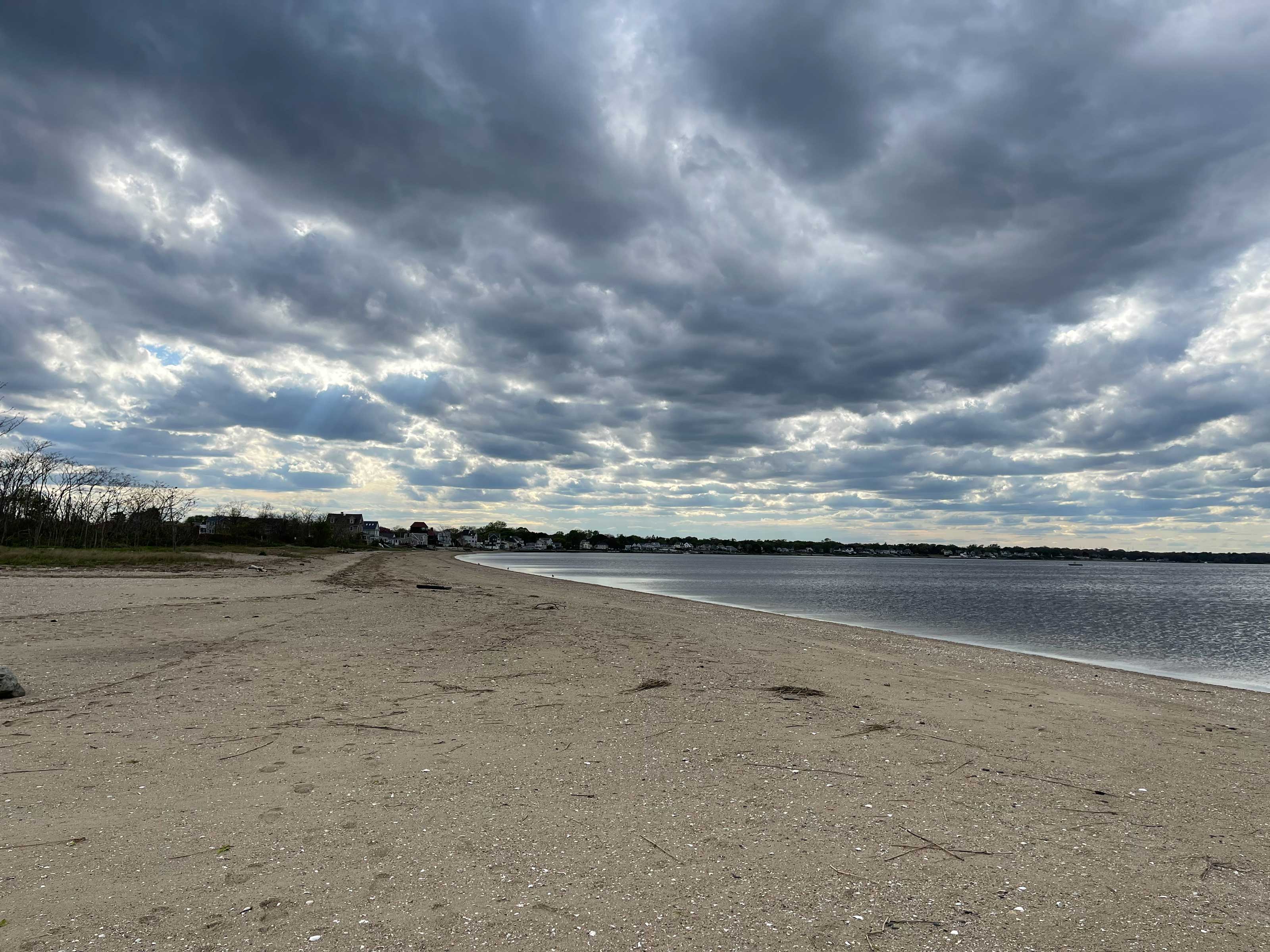
The beaches are wide open. The sound of the ocean is uninterrupted. Gulls drift lazily above the surf. Long stretches of sand lie untouched except for footprints that disappear almost as soon as they’re made. Narragansett Town Beach in February feels expansive and raw. The stone towers stand like sentinels against the cold Atlantic, and the absence of beachgoers makes the setting feel almost cinematic. The ocean doesn’t feel recreational here, it feels powerful.
Matunuck offers a similar calm. Dunes, coastal roads, and weathered beach cottages take on a stark beauty that only winter provides. This is Rhode Island’s coastline in its most honest form.
South County in February isn’t about sunbathing or surf lessons. It’s about walking into the wind, breathing deeply, and remembering why coastal New England has always inspired poets and painters.
On the eastern edge of the state, Tiverton Four Corners offers a quieter, inland counterpoint to the coast. This historic crossroads, dating back to the 18th century, has long been a center for arts and craftsmanship, and winter brings a welcome sense of calm. In February, the galleries and studios operate at a slower pace, allowing visitors to engage more deeply. The old buildings, stone walls, and surrounding countryside feel settled, grounded, and timeless. There’s something fitting about experiencing creative spaces during winter. The season encourages reflection, and Tiverton Four Corners embraces that energy naturally. A visit here feels intentional rather than rushed.
The surrounding farmland and rural roads complete the experience. Bare trees reveal long views across fields and stone fences, and the quiet reinforces the sense that you’ve stepped into a preserved corner of Rhode Island history.
Rhode Island in February asks you to shift your expectations. It doesn’t promise excitement, it offers clarity. You notice details more. You hear the ocean differently. You feel the weight of history more deeply. This is a state built on water, industry, resilience, and community. Winter reveals those layers without distraction. Block Island becomes contemplative rather than crowded. Historic villages feel lived-in rather than staged. Beaches feel elemental rather than recreational. February is when Rhode Island belongs to itself again.