
.svg)
Spring on the Mount Washington Cog Railway
FEATURED:Spring Might Be the Best Time to Ride
Discover

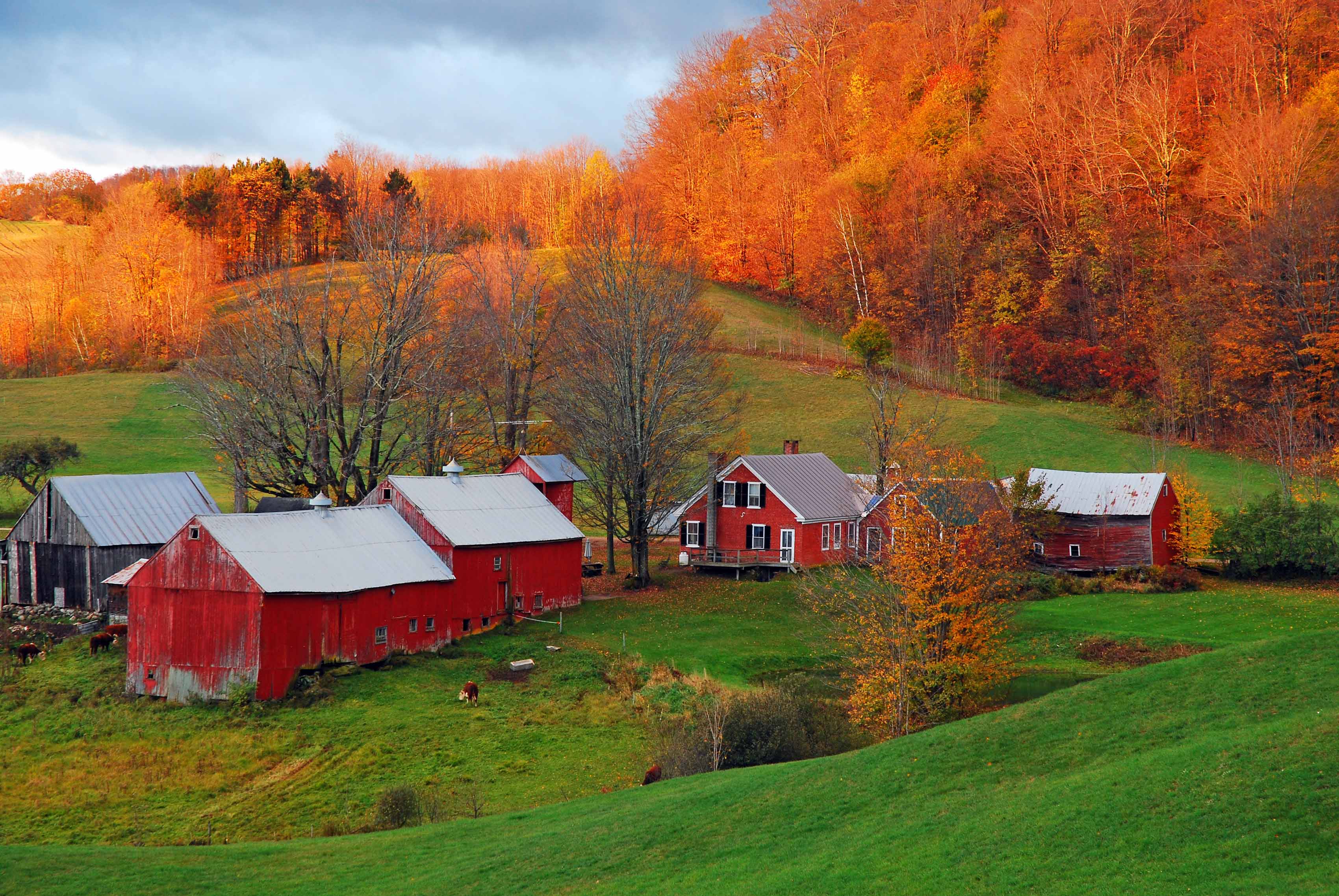
If you're driving through certain parts of Vermont, especially the central and northern reaches, you'll occasionally spot something delightfully odd: a house with a window slipped into the gable-end wall at a noticeable tilt - 45 degrees to the vertical. They're called “Witch Windows”, and while their eccentric angle may feel poetic, the real story beneath them is equal parts clever, practical - and yes, a bit spooky.
Let’s lean into the comfort of curiosity and explore these iconic quirks. We'll weave in a little regional lore, architectural know-how, and a dash of haunted charm - in a way that’s both rooted and nostalgic.
What Are They?
Witch Windows - also known as Vermont Windows, Lazy Windows, or even Coffin Windows - are simply double-hung sash windows installed at a 45-degree tilt so their long edge is parallel to the roof slope. Typically found in 19th-century farmhouses in Vermont’s rural heart, these windows occupy tight gable-end wall spaces where a standard vertical window wouldn’t fit.
A Story of Ingenuity (and Frugality)
Far from a vanity detail or spooky safeguard, the reason loops back to simple pragmatism. Builders needed to bring daylight and airflow to upper rooms, especially when attaching additions (like an ell), which often left narrow, cramped wall segments. A tilted window, the same size as a standard one, offered a cost-effective solution without tampering with the roof or sourcing custom frames.
As State Architectural Historian Devin Colman puts it: it’s “a really practical New England response … frugality.”
Folklore & a Dash of Bewitching Charm
No Vermont oddity is complete without a whisper of superstition. The most enduring legend suggests that witches - atop broomsticks - cannot maneuver through these askew windows. The tale conjures playful shivers, even if witches could just as easily slip through any regular window.
Then there’s the “coffin window” theory: some say these angled panes allowed families to remove coffins through the wall instead of inching them down tight staircases. But architectural historians largely dismiss this as impractical - and unlikely.
These stories may feel fanciful - and they are - but perhaps that’s the point. Folklore did its part in turning a practical tweak into a beloved Vermont signature.
While witch windows are Vermont’s star eccentricity, the region brims with other design oddities - quirky architecture that feels delightfully idiosyncratic (and sometimes gently eerie).
In parts of New England, you'll encounter Witch Balls - shiny glass orbs hung in windows to ward off evil and ward unstable magic - a cousin to our crooked windows in both lore and intent.
Older homes may bear gabled dormers, gingerbread trim, or hidden staircases - vestiges of a time when design flexed to fit lively imaginations as much as structural needs. The beauty lies in how practical, cultural, and whimsical elements all tangled together - each evolved from resourcefulness and grew into character.
In Vermont, homes are storytellers. Every off-kilter window-nods to clever carpentry, every odd angle to necessity turned art. You don’t need to believe in witchcraft to feel the delight of standing beside a crooked pane and quietly whispering, “what if?”
These windows aren’t just gaps in the wall - they are invitations to wonder, to imagine history in homes, and to embrace a region’s unpretentious genius.
If you want to seek out these architectural curiosities (and enjoy a bit of Halloween-season lore):
PLACE WHAT TO SEE
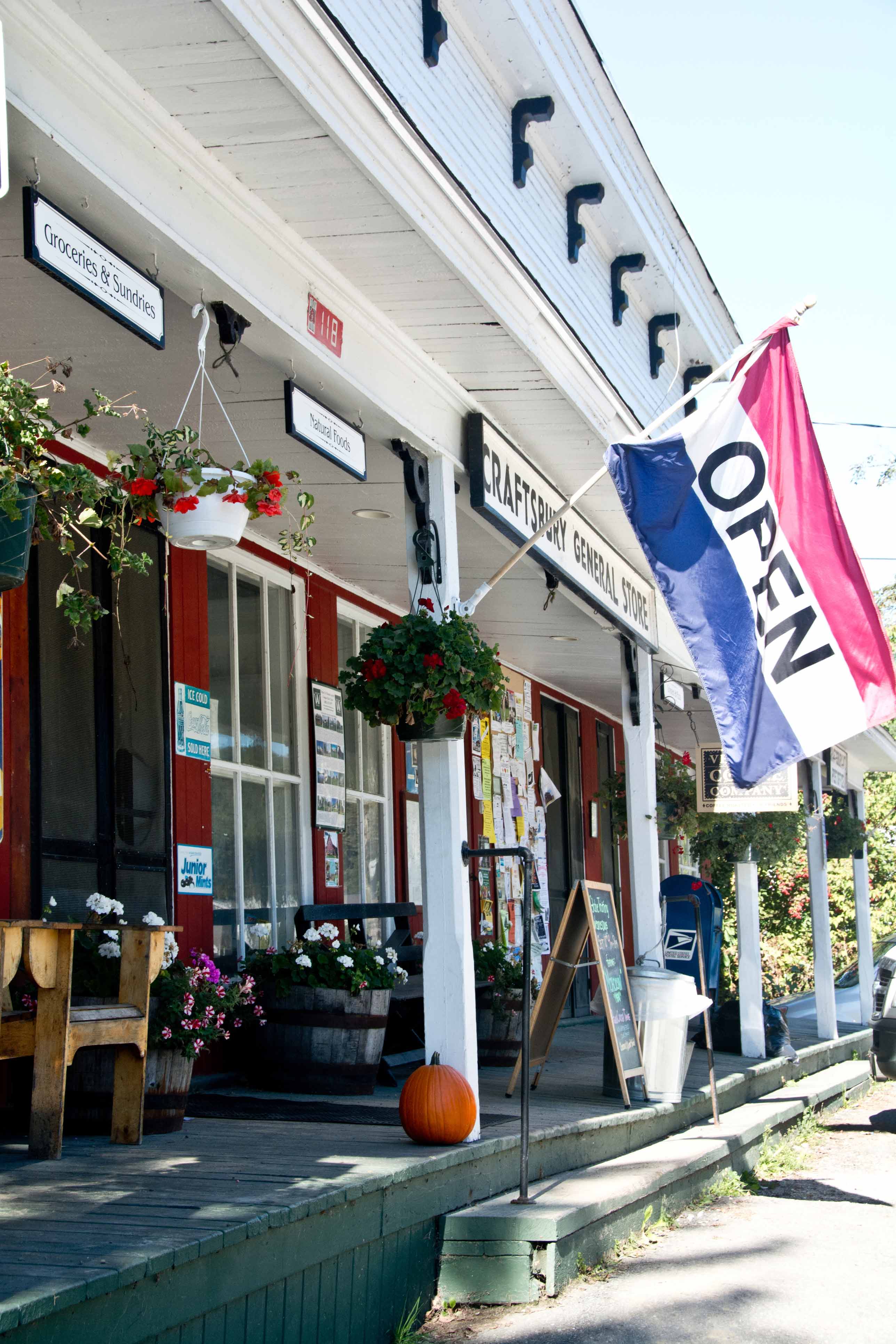
Cratftsbury, VT Many well-preserved examples of Witch Windows visible along Local roads.
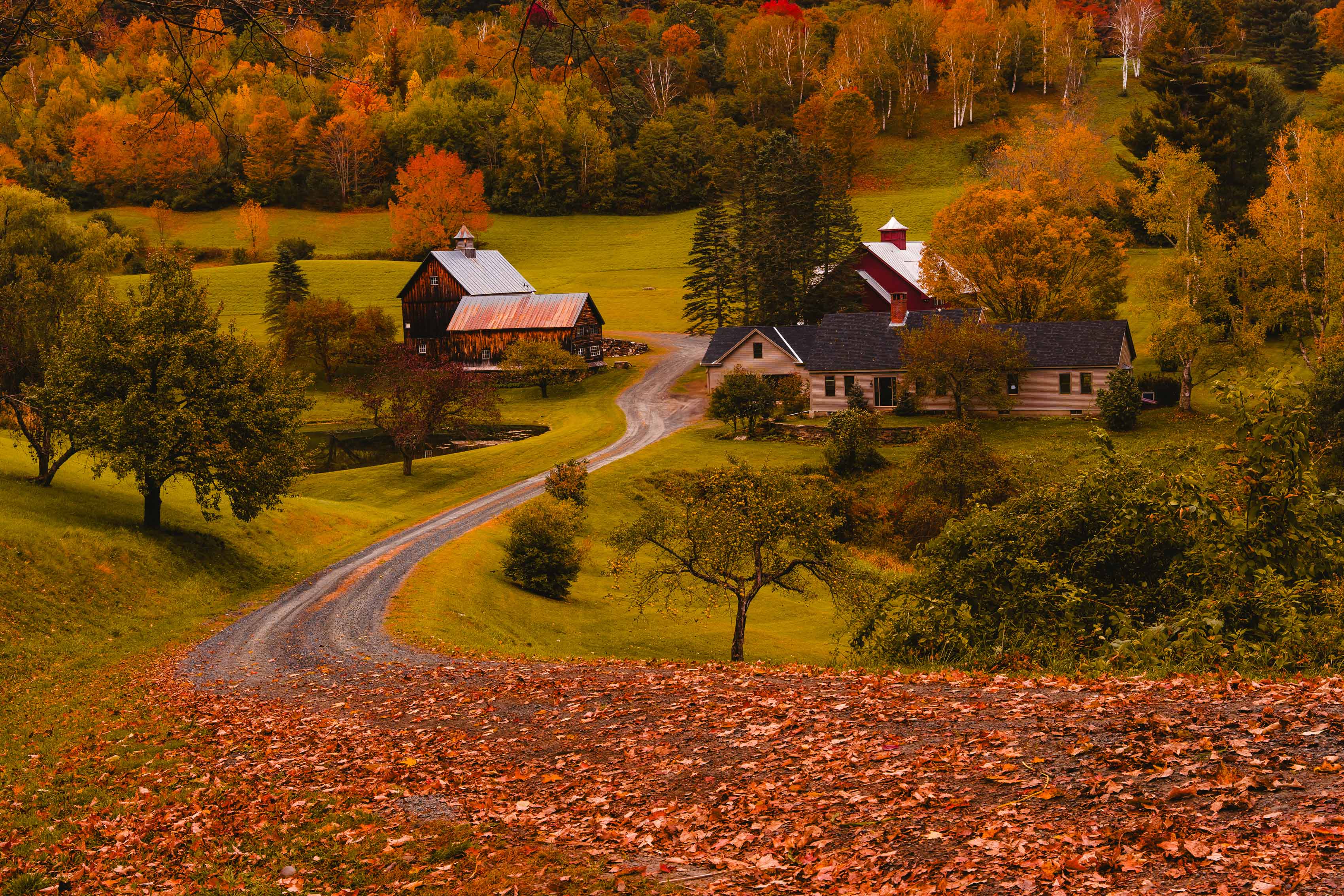
Rural Vermont Farms, VT Spot Witch Windows nestled into vinyl-clad homes, barns and nostalgic architecture dating from the 19th century and beyond.
Vermont Route 100, VT Scenic drive dotted with tilted windows in farmhouse gable-ends, (Waterbury to Stowe corridor) ideal for a whimsical autumn road trip.
Bring a camera, and maybe a scoop of local cider. Let the architecture and the quiet rural autumn air work its understated magic.
They reveal pragmatic storytelling - how necessity gave rise to something oddly poetic.
They connect our modern eye to a legacy of building smarter with less.
They spark conversation - like, “Did you know there’s a legend about witches flying through windows?”
These aren’t staged Halloween thrills - they’re everyday architecture shaped by historical culture and creative solutions.